
Solid Phase
A solid is a state of matter characterized by particles packed closely together with a specific shape and volume. Unlike liquids and gases, solids maintain their form without a container.
In solids, particles resist any movement which gives them their rigid structure and makes these solids harder to compress compared to other states of matter.
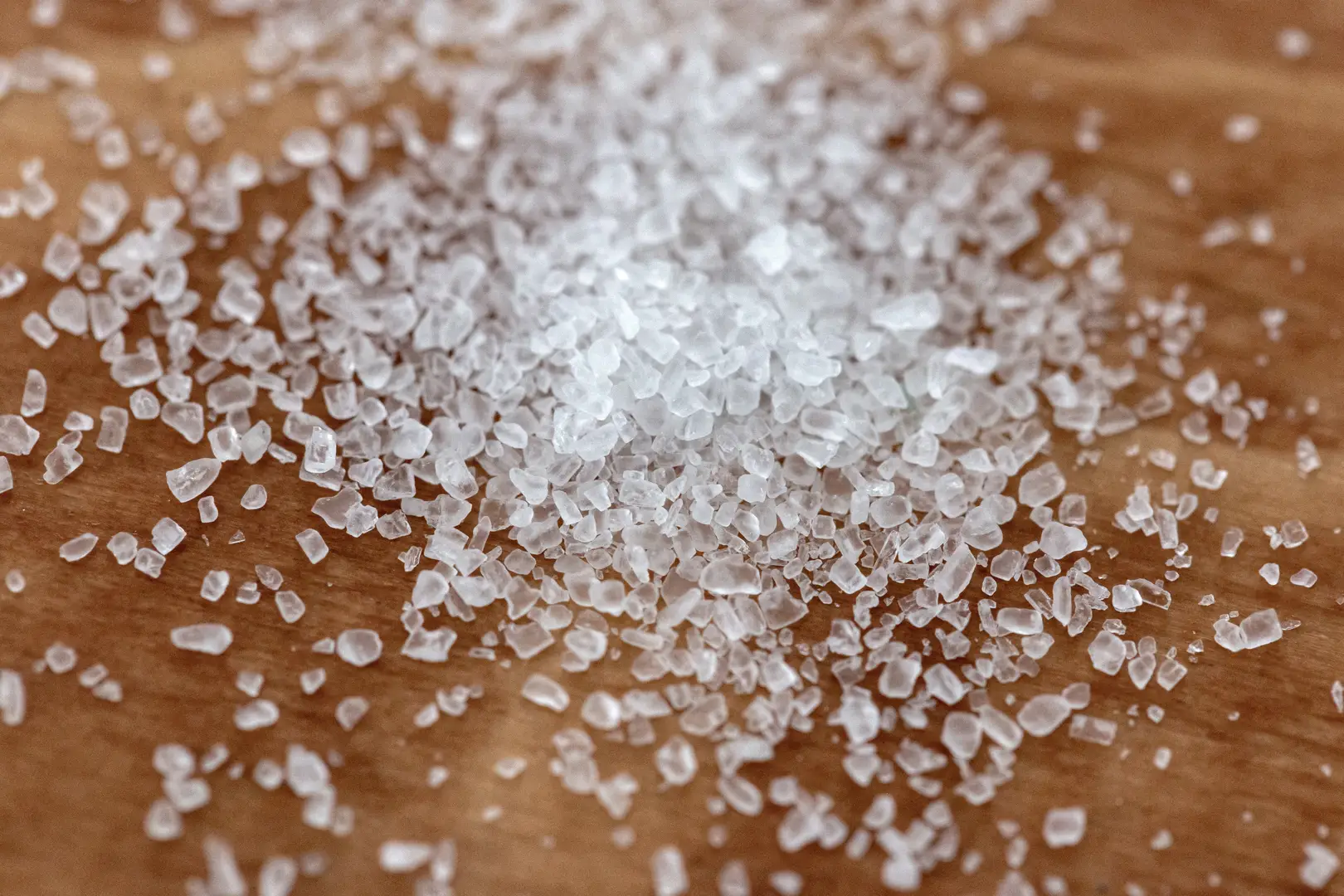
Crystal Structure
Crystalline solids have a highly ordered arrangement of particles in a repeating pattern. Common examples include:
- Table salt
- Diamonds
- Metals such as gold and silver
- Ice

Amorphous Solids
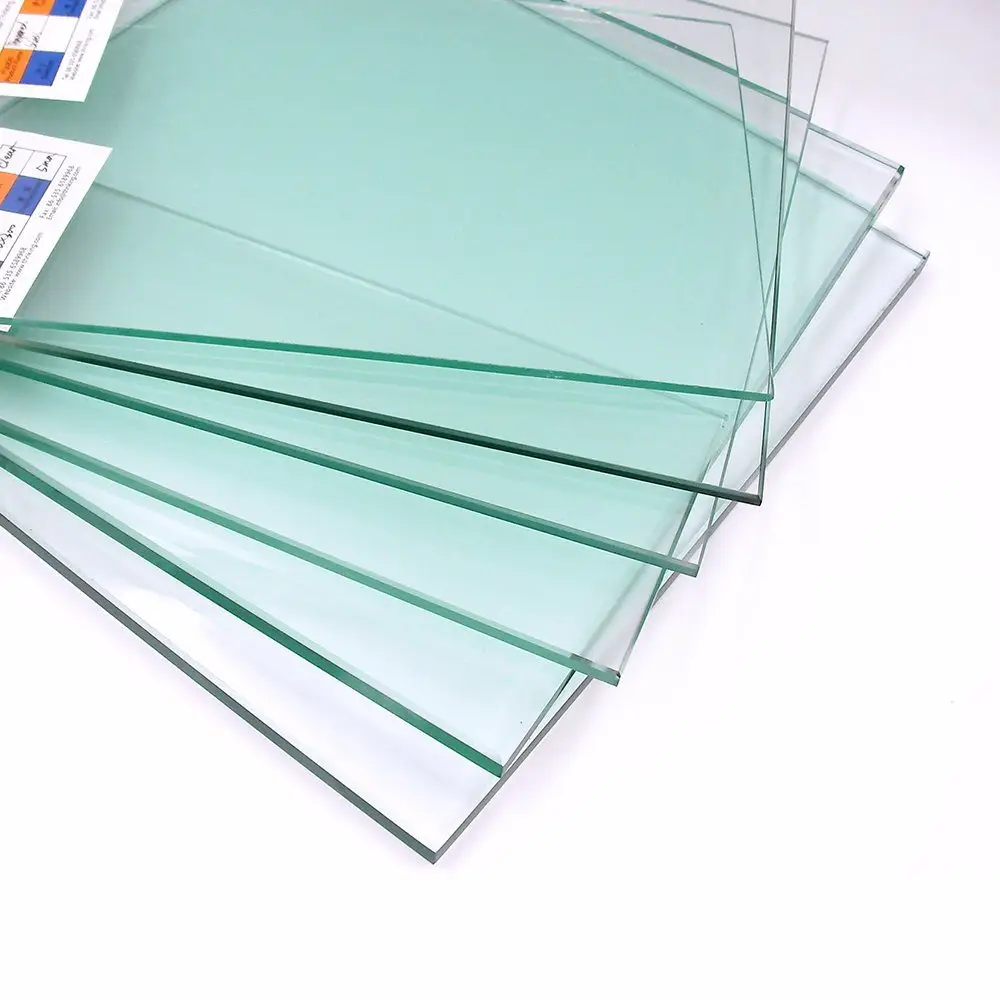
Amorphous solids lack a crystal structure and have particles arranged randomly. These solids include:
- Glass
- Plastic
- Wax
- Many polymers
Properties of Solids
Key characteristics that define solids include:
- A fixed shape and volume
- Cannot flow like liquids
- Difficult to compress
- Can be brittle, malleable, or ductile