

Phase Changes in Matter
Discover the six different ways matter can change between solid, liquid, and gas states.

Freezing
Freezing occurs when a liquid turns into a solid it loses heat energy. This occurs at the freezing point of the substance, such as water freezing into ice at 0°C (32°F).

Melting
Melting occurs when a solid turns into a liquid by absorbing heat energy. This happens at the melting point of the substance, like ice melting into water at 0°C (32°F).
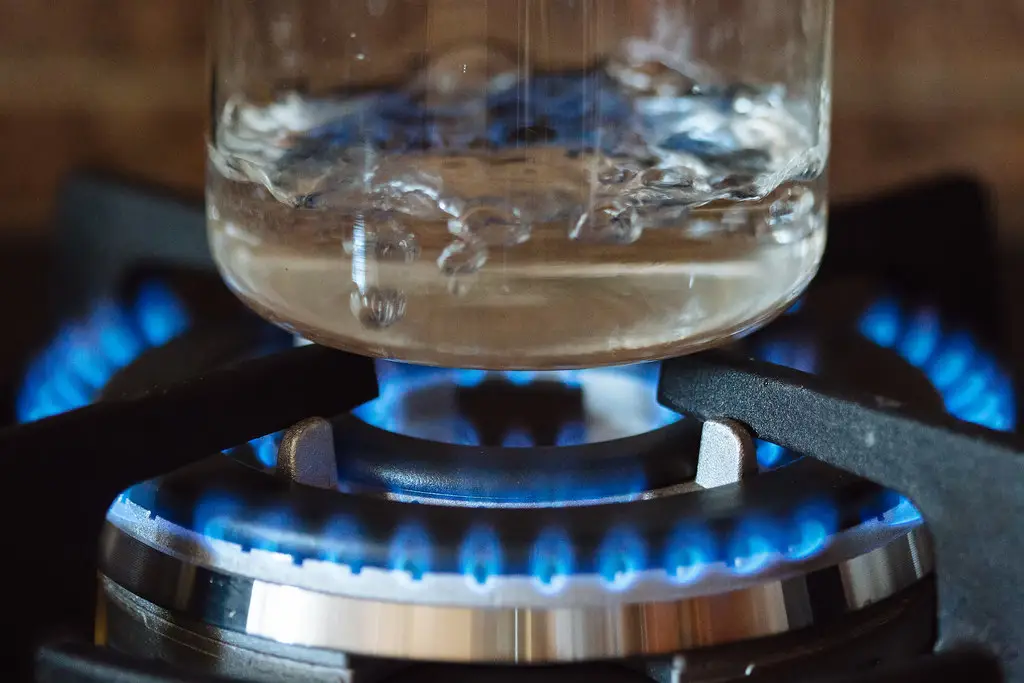
Boiling & Evaporation
Boiling occurs when a liquid changes into a gas by gaining heat energy. Boiling occurs at a specific temperature (100°C/212°F in the case of water), while evaporation happens gradually at any temperature.
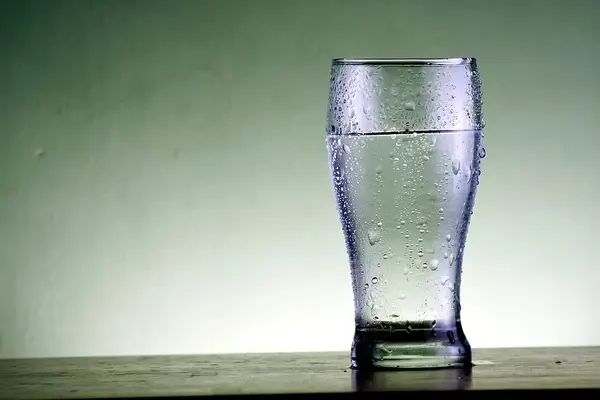
Condensation
Condensation occurs when a gas turns into a liquid by losing heat energy. This is visible when water vapor in the air forms water droplets on cold surfaces.
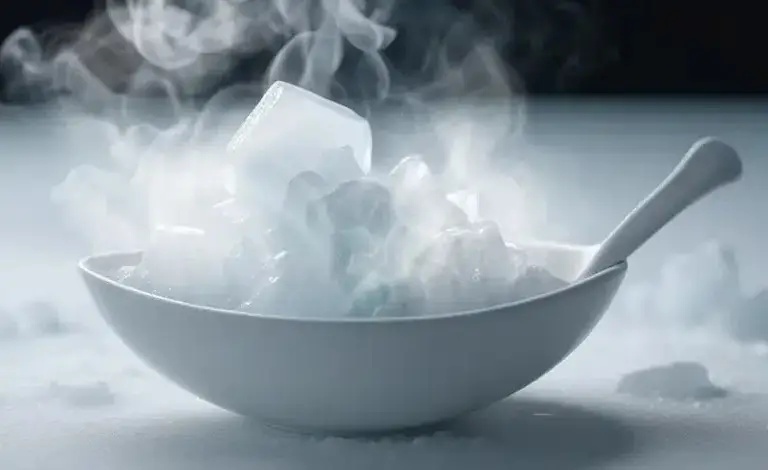
Sublimation
Sublimation occurs when a solid changes directly into a gas without first becoming a liquid. This can be observed with dry ice turning directly into a gas.
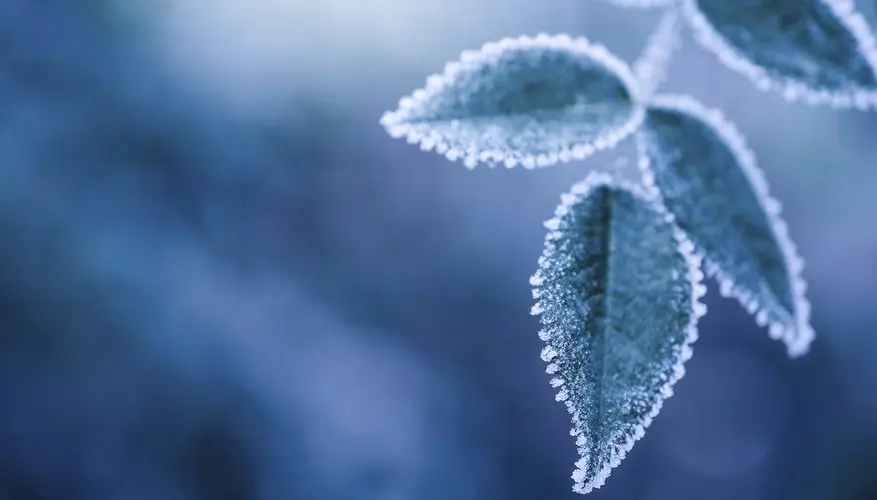
Deposition
Deposition occurs when a gas changes directly into a solid without becoming a liquid. This process creates frost when water vapor in the air turns directly into ice crystals on cold surfaces.
